Game Design · SplashLearn

Into the
Jungle

A children's educational game teaching number bonds through a magical cave adventure. Built for SplashLearn — live for Grade 2–3 learners worldwide.
Platform
SplashLearn
Target Grade
Grade 2–3
My Role
Game Designer
Status
Live ✓
Into the Jungle — game art
9+
Rod lengths
G2–3
Target grade
Combinations
1st
Expandable concept
Game Overview
Into the Jungle — gameplay screen with stone puzzle slots and Cuisenaire rods
Game screen — the character stands in the cave as the player places Cuisenaire rods into the puzzle slots on the stone.
The Narrative

A story that makes the mechanic
feel natural

🐴
Act 01 — Setup

A character rides through the jungle

He hears strange voices echoing from a cave and ventures inside — discovering figures engraved in stone. A puzzle waiting to be solved.

🪨
Act 02 — Conflict

Characters trapped in stone

The player must fill numbered stone slots with Cuisenaire rods — placing the right combinations to unlock what's hidden inside the rock.

Act 03 — Reward

They come alive

Solve the puzzle correctly and the figure animates to life. Correct math equals a magical, immediate result — visceral and delightful.

Gameplay Walkthrough
Full gameplay demo — placing rods, solving puzzles, and watching characters come alive.
Learning Design

What children actually learn

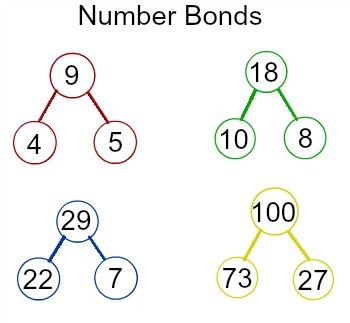
A number bond is a simple addition of two numbers that sum to a given total. Using them, children can instantly derive answers without formal calculation — and the same concept bridges directly into subtraction fluency.

Example
4 + 5 = 9
→ 4 and 5 are number bonds of 9
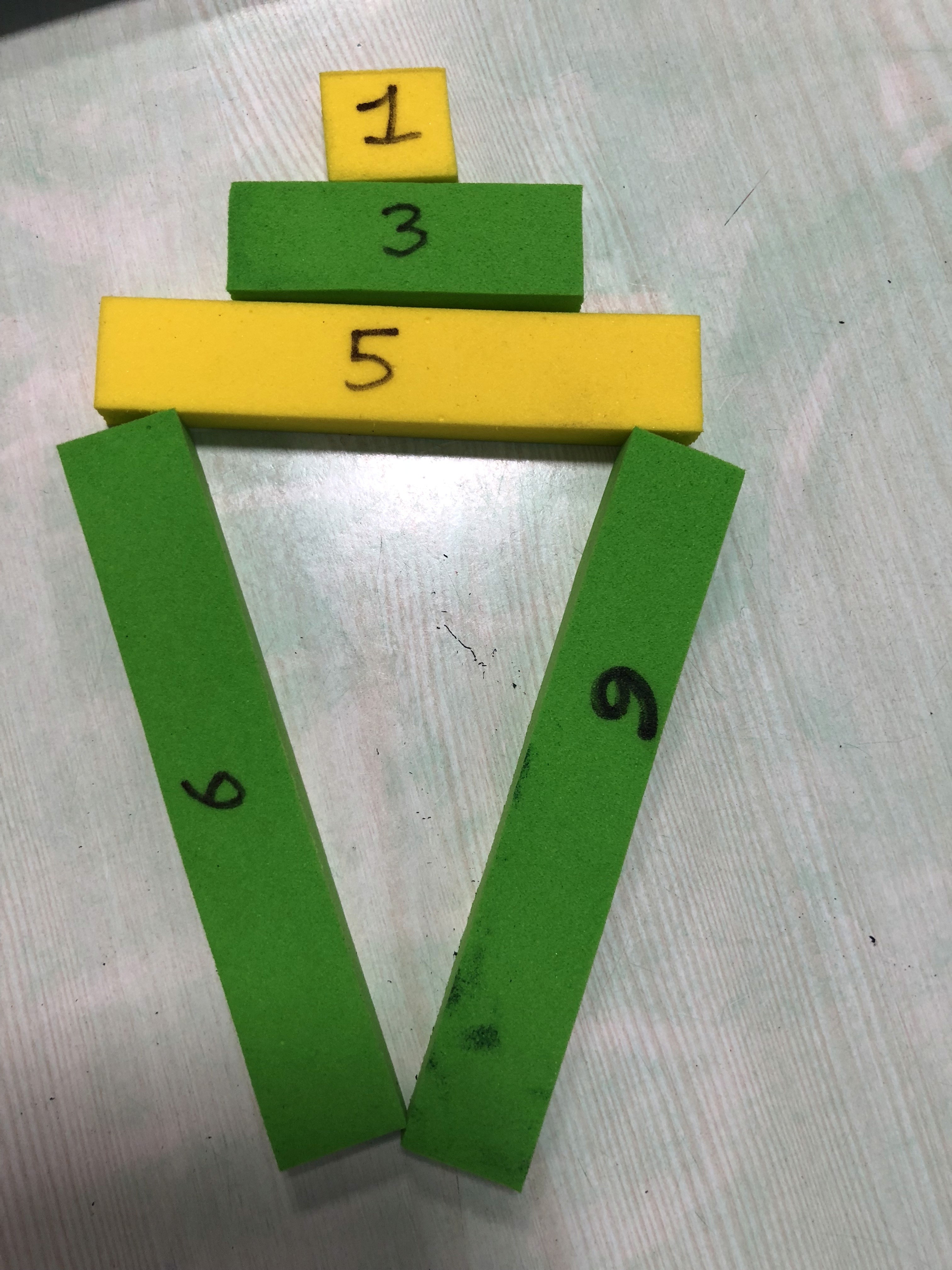
A "9" slot: fill with 9, or 6+3, or 4+5 ✓

The game teaches through spatial reasoning — by physically placing rods to fill a slot, children experience the additive relationship between parts and wholes. Embodied, not memorised.

Prototyping & Level Design
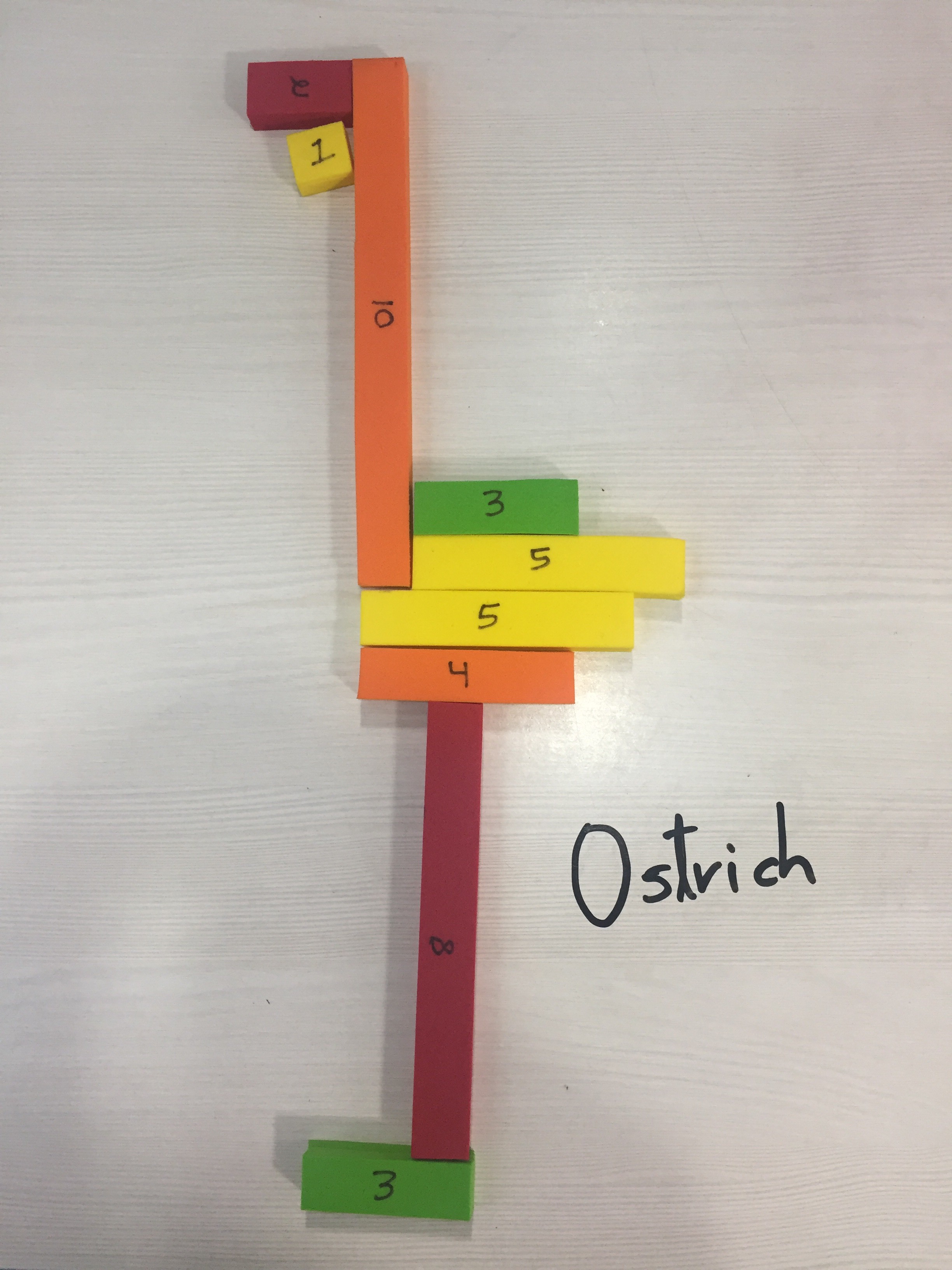
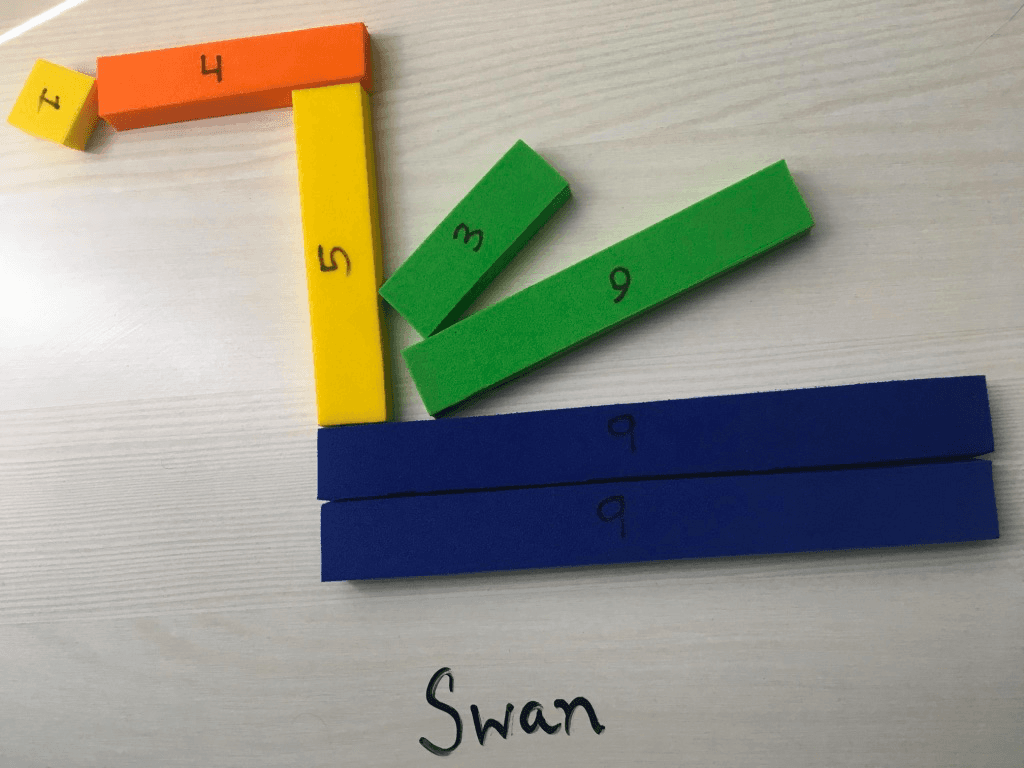
Prototype sketch — level design
Prototype — question set
Game UI mockup
Game Mechanics

Simple rules, deep learning

01

1–9 Length Rods

Nine distinct Cuisenaire rod lengths are always visible at the bottom. Each represents a number — the child's palette for building solutions.

02

Stone Puzzle Slots

Each puzzle presents numbered slots carved in stone. The player fills each slot with rods that add up to the target number exactly.

03

Multiple Valid Paths

No single correct answer. A "9" slot accepts one 9-rod, or 6+3, or 4+5. Children discover equivalence naturally through exploration.

04

Add, Remove, Retry

Players can freely add and remove rods until confident. No fear of failure — just experimentation. Key to deep learning.

Interaction Details
Rod placement interaction (left) · Solve animation and character unlock (right)
My Contribution

End-to-end design ownership

From the initial concept through to final game testing, I owned the complete game design pipeline.

Game Design Prototyping Interaction Design Narrative Design UI Mockups Look & Feel Gameplay Systems Level Design Game Economy Feedback System Tutorial Design Hint Design User Testing Game Testing Full Game UX
The Team

Small team, clear ownership

NS
Game Design
Neha Sagar
Concept, UX, systems, narrative, prototyping & full game testing
💻
Engineering
Coder
Built the game to design spec
🎨
Art
Artist
Characters, environment & visual art
📚
Curriculum
Subject Matter Expert
Learning objectives & question set
Broader Impact

One game of twenty

Into the Jungle was one of 20+ games I designed at SplashLearn. But the work went well beyond individual games.

Founding Role
Helping build a product used by millions

As a founding member of the design team, I collaborated directly with the co-founders to shape the product vision of what became a multi-billion dollar edtech platform for children's math and English learning.

Team Building
Hired, mentored and grew a team of game designers

I established the game design team from the ground up — hiring and training junior designers, and putting in place standardised processes that made the team's output consistent and scalable.

Research & Testing
User testing with 100+ children

I led user testing sessions directly with children, and developed creative research methodologies that brought genuine, in-depth feedback into the design process — not just surface-level reactions.

Process Design
From zero to a full design system

I defined the end-to-end process — ideation, design, development handoff, and feedback collection — and built a streamlined system that ensured actionable insights made it into every final product.